What Does the Body Really Need to Be Well?
Modern fitness often focuses on strengthening the body. But true well-being may require more than physical fitness alone.
Modern fitness focuses on strengthening the body. But well-being may require more. Exploring how yoga supports the body, breath, mind, and a more balanced way of living.
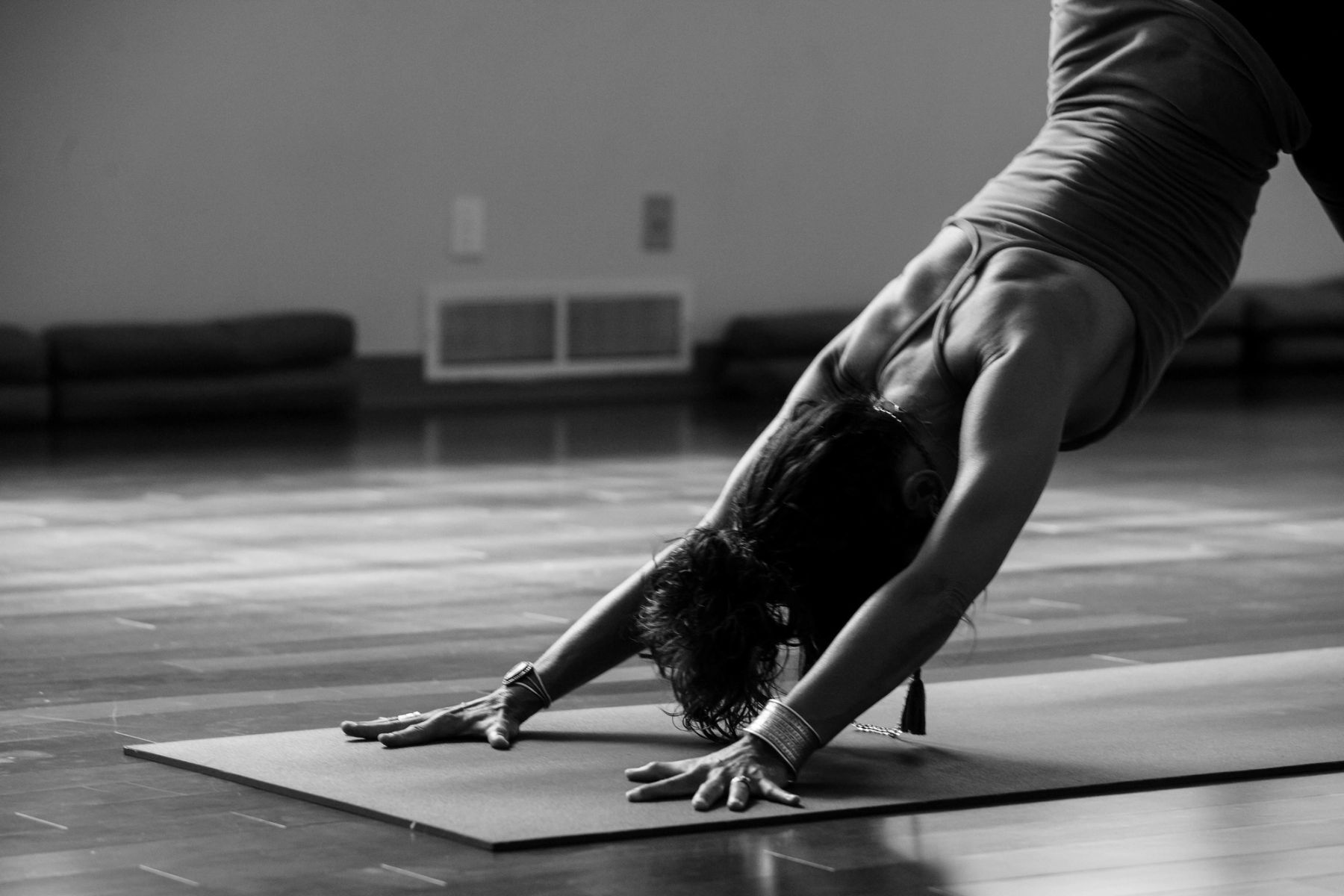
Modern life has made us increasingly conscious of our health. We join gyms, follow workout routines, track our steps, monitor what we eat, and try to stay physically active. But somewhere within all of this, an interesting question remains.
What does the body really need to be well?
Daily gym workouts and regular exercise can strengthen the body, improve fitness, build endurance, and support physical health. But can a workout alone create a deeper connection between the body, mind, and breath?
This is where yoga offers a more holistic approach to health and well-being.
What Makes Yoga Different From Conventional Exercise?
Modern research increasingly highlights the benefits of yoga not only for physical fitness, but also for mental health, stress management, sleep, and overall well-being. Unlike conventional gym workouts that primarily focus on strength, cardiovascular fitness, and muscle conditioning, yoga combines physical movement, conscious breathing, relaxation, and mindfulness to support the body and mind together.
Regular yoga practice may be particularly beneficial in today's lifestyle, where chronic stress, poor sleep, anxiety, sedentary habits, and other long-term health concerns are increasingly common. By helping regulate the body's stress response, yoga may support better sleep, emotional balance, relaxation, and the body's natural recovery processes.
Yoga and the Connection Between Body, Breath and Mind
Research on regular yoga practitioners has found lower cortisol levels compared with people who do not practice yoga. Cortisol, commonly known as the body's stress hormone, plays an important role in the response to physical and psychological stress.
Better regulation of cortisol and the nervous system may contribute to improved sleep quality, reduced stress and anxiety, and better overall health and well-being. Research by Dr. Chris Streeter and colleagues has also explored the relationship between yoga, stress regulation, brain function, and well-being.
But perhaps one of the things that makes yoga different is that it does not look at the body in isolation. Movement is connected with the breath. The breath influences the mind. And the mind, in turn, influences how we experience the body.
Over time, a regular practice can create greater awareness of these connections.
Yoga as a Foundation for Everyday Health
Yoga may also complement healthy lifestyle practices for people managing long-term health challenges. Consistent practice can support flexibility, mobility, balance, breathing capacity, relaxation, and recovery, while also encouraging greater awareness of the body's physical and emotional needs.
For individuals dealing with chronic illness or long-term health conditions, wellness is not simply about becoming physically stronger. It is also about creating sustainable habits that support physical health, mental well-being, quality of sleep, stress reduction, and long-term resilience.
A gym workout can strengthen the body. Yoga can help bring awareness to how the body moves, how the breath flows, and how the mind responds.
For many people, a regular and well-rounded yoga practice can provide a strong foundation for everyday health and well-being. This does not mean that other forms of exercise have no place. People with specific athletic goals, physically demanding professions, or particular fitness requirements may benefit from additional forms of training.
When combined with proper nutrition, adequate sleep, medical care when needed, and other forms of physical activity where appropriate, yoga can become part of a more complete foundation for long-term health and well-being.
What Does the Body Really Need?
The question is not whether yoga can replace every form of exercise.
The more important question is: what do we truly need to live well?
For the average person, the purpose of a daily practice is not necessarily to build the largest muscles, lift the heaviest weights, or prepare for competition. It is to remain physically capable, mentally balanced, mobile, energetic, and connected to one's own body.
This is where yoga offers something remarkably comprehensive. A consistent and well-rounded yoga practice can support strength, flexibility, mobility, balance, breathing, body awareness, relaxation, and mental well-being within a single system of practice.
Yoga, at its heart, looks at the human being as a whole—not simply as a body that needs to be trained, but as a complete system of body, breath, mind, and awareness.
And for many people, that is where the journey towards lasting well-being can begin.